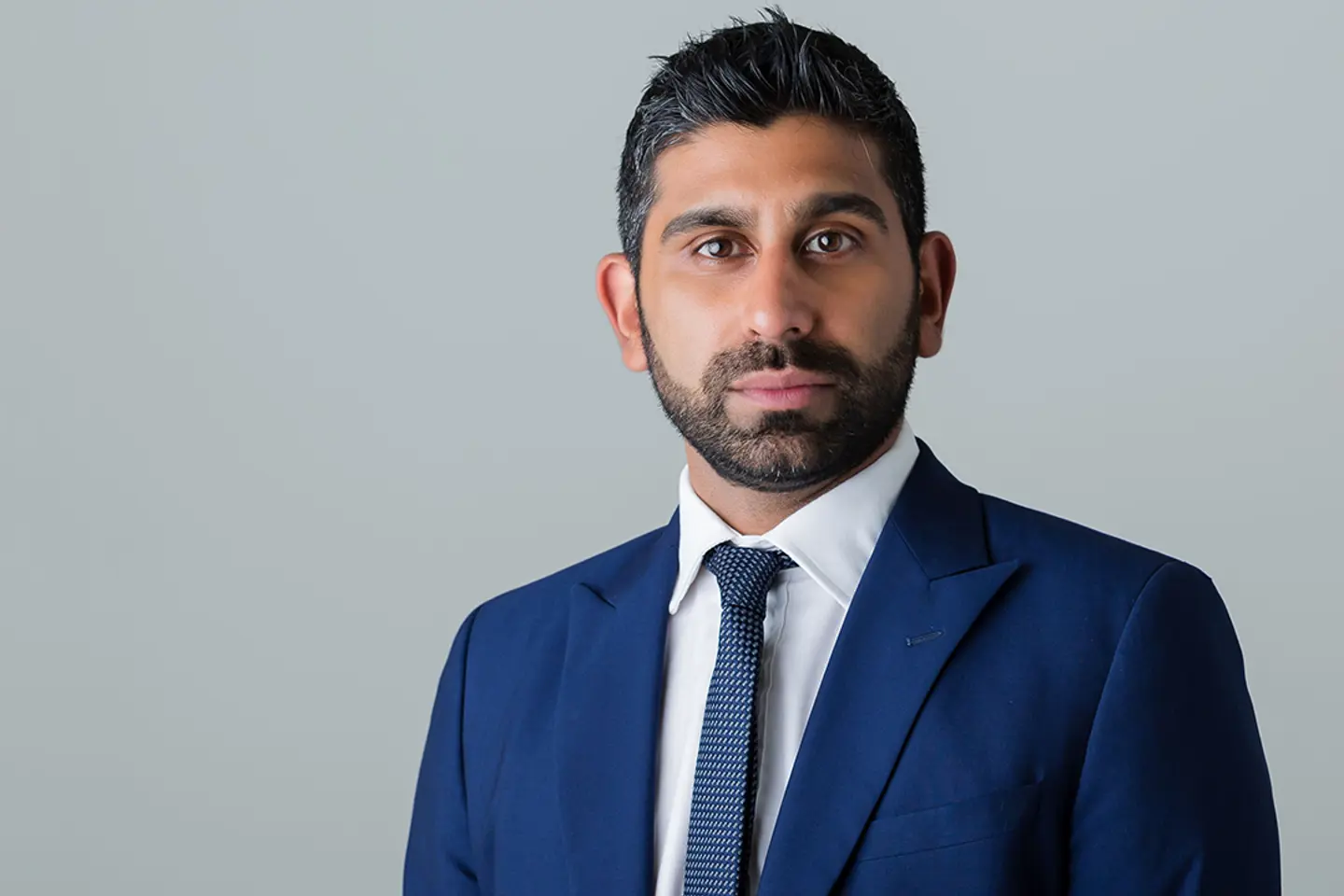
Daniel Pacic
Managing Director, Ogier Global, Dubai | Corporate and Fiduciary
Dubai

Daniel Pacic
Managing Director, Ogier Global, Dubai
Dubai



Across the Cayman Islands, the Dubai International Finance Centre and the Abu Dhabi Global Market, alternative investment managers are entering a new regulatory era where governance, transparency and substance are now influencing investor confidence, fund structuring, capital flow and global competitiveness.
Now is the time for fund managers to assess whether their structures, policies and operating models are fit for purpose. Ogier's team in Dubai provides on-the-ground legal advisory and corporate and fiduciary services to clients in the UAE region looking to structure Cayman fund vehicles.
At the 2026 AIMA Middle East Forum, Daniel Pacic, managing director of Ogier Global's Dubai office, and Dominic Athwal, legal counsel, took part in a panel exploring how alternative investment managers are responding to evolving regulatory expectations across the Cayman Islands, the Dubai International Finance Centre (DIFC) and the Abu Dhabi Global Market (ADGM). They were joined by Gibson, Dunn & Crutcher LLP partner Caro Abram and Nick Walling, partner and Head of UAE at Optima Partners. This article highlights the key takeaways from their discussion.
Over the past few years, the Cayman Islands Monetary Authority (CIMA) has progressively adopted a more proactive, data-driven supervisory approach with an increasing emphasis on implementation and enforcement rather than wholesale regulatory change. During this period, the introduction and expansion of obligations such as fund annual returns, economic substance filings, private fund registration and valuation rules have made more detailed data available to CIMA. This has enabled more targeted follow up including fines from the for missed common reporting standard registrations, periodic in person inspections on registered managers and advisers and deeper scrutiny of governance, valuation practices and conflicts of interest.
Meanwhile, the DIFC and ADGM are refining regulatory regimes to emphasise governance, substance and innovation. Key drivers include the rise of sovereign wealth in the region, a growing demand for digital assets frameworks, the expansion of private credit strategies and a desire to establish the UAE as a credible global alternative to traditional fund domiciles.
Cayman remains one of the default jurisdictions for fund vehicles but DIFC and ADGM managers are seeing increased demand for an on-the-ground presence to meet capital and optimise tax efficiency while meeting economic substance requirements. The result is the increased use of hybrid models such as Cayman / ADGM master-feeder or parallel funds, with managers operating in the UAE but maintaining fund vehicles offshore.
Regulators are demanding more. CIMA is increasingly focused on governance, valuations and timely filings, imposing real consequences for non-compliance. Similarly, the DFSA and FSRA in the UAE are proactive and aligned with international standards. Firms that underestimate the demands of setting up in the GCC free zones may be surprised to find requirements more stringent than those in the UK or US. Engagement, transparency and rigorous compliance are non-negotiable.
Managers should expect regulatory frameworks to become more sophisticated, data driven and more technology focused in the coming years. The panel identified several key developments to watch out for. In Cayman, CIMA's continued focus on of governance, valuation and anti-money laundering requirements open the door for more proactive supervision in the future. In the UAE, there is likely to be increased participation in alternative funds from retail investors as regulators allow wider access to private funds.
Globally, we are likely to see a growth in the tokenisation of real-world assets and a spread of digital currency as regulation responds to stablecoins and Central Bank Digital Currencies.
With regulation now a core strategic consideration, not just a compliance hurdle, fund managers must be proactive, adaptable and informed. Fund managers should build regulatory thinking into their product design, structuring decisions and operation models.
Hybrid structures between Cayman and the Middle East are becoming increasingly complementary, allowing managers to access global investor familiarity while benefitting from onshore substance and regional tax positions
Ongoing and open engagement with regulators is essential - policies and paperwork alone are not enough.
For advice on structuring Cayman fund vehicles tailored to UAE based managers and investors, or support with establishment, governance and ongoing compliance, Ogier in Dubai offers tailored solutions built on local experience and global insights. We specialise in Cayman structures and provide one of the largest single-source service packages spanning the full fund lifecycle.
If you are reassessing your structures or anticipating regulatory challenges, we can help you negotiate the latest regulatory developments and design structures than align with both investor expectations and your commercial objectives.
Across our Cayman Islands and Dubai offices, Ogier provides corporate and fiduciary support for fund managers, while lawyers in our Dubai office can advise clients and their advisors in the Middle East on Cayman law. We can support cross-jurisdictional fund structuring, optimising your structure to balance investor demand, regulatory requirements and tax efficiency. In assisting with regulatory readiness and compliance, governance and substance solutions, digital assets and emerging strategies and engagement with local regulators.
To discuss how these developments may impact your business, and how Ogier can help you stay ahead, contact our team.
Ogier is a professional services firm with the knowledge and expertise to handle the most demanding and complex transactions and provide expert, efficient and cost-effective services to all our clients. We regularly win awards for the quality of our client service, our work and our people.
This client briefing has been prepared for clients and professional associates of Ogier. The information and expressions of opinion which it contains are not intended to be a comprehensive study or to provide legal advice and should not be treated as a substitute for specific advice concerning individual situations.
Regulatory information can be found under Legal Notice
Sign up to receive updates and newsletters from us.
Sign up