
Oisin McClenaghan
Partner | Legal
Ireland

Oisin McClenaghan
Partner
Ireland



Oisin McClenaghan
Team: Jennifer Dobbyn, Simon Keogh, John Perry, Dave Nolan, Laura Holtham, Margot Carty, Edwina Hilton, Arthur Gaskin
ON THIS PAGE
RELATED
Ireland is a leading domicile for Undertakings for Collective Investments in Transferable Securities (UCITS) and is the fastest growing European domicile for investment funds.
As one of the largest global fund domiciles, Ireland is at the forefront of developments in the UCITS space. Ireland has an unrivalled UCITS offering in terms of the depth of extensive regulatory expertise, a robust network of service providers and a favourable tax regime.
Ogier’s Investment Funds experts in Ireland work with international asset managers on UCITS launches and ongoing operations. Supported by a global team of dedicated funds lawyers, we provide commercial legal advice across the world’s leading funds domiciles.
This guide provides a clear, practical overview of UCITS in Ireland, including key features and legal and regulatory considerations which asset managers should examine when establishing a UCITS product.
UCITS are open-ended funds subject to the requirements of the UCITS regime. Harmonised EU rules apply to UCITS in respect of their authorisation and supervision as implemented by EU member states. Irish UCITS are authorised and regulated by the Central Bank of Ireland (the Central Bank).
Since the UCITS regime was first introduced over 40 years ago, UCITS have become a globally recognised brand, sold widely to investors across Europe and the rest of the world. UCITS are subject to asset eligibility and diversification requirements in addition to liquidity requirements (as set out in further detail below).
UCITS are suitable for distribution to both retail and institutional investors. One of the main attractions of a UCITS is the ability to avail of the EEA marketing passport and Ireland is a major domicile for UCITS management companies and a location to distribute UCITS on a global basis.
| Key feature | Description |
| Regulatory requirements |
UCITS are subject to the requirements of the UCITS Directives (as implemented into Irish legislation for Irish UCITS). |
| Standalone / umbrella structure |
UCITS may be structured as a standalone fund or as an umbrella fund with segregated liability between sub-funds. |
| Liquidity |
UCITS must be established as an open-ended fund with at least fortnightly dealing to enable shareholders to redeem their shares. |
| Permitted investments |
UCITS can invest in a broad spectrum of eligible financial instruments. A UCITS must invest in transferable securities or liquid financial assets that are listed or traded on a recognised exchange or market. This includes shares in companies, other securities equivalent to shares, bonds and other negotiable securities including options and warrants. UCITS may use financial derivative instruments for investment purposes and for efficient portfolio management purposes. Up to 10% of a UCITS' net assets may be invested in transferable securities and money market instruments that do not otherwise meet the strict UCITS eligibility requirements. |
| Investment restrictions |
UCITS are subject to the investment restrictions prescribed by the UCITS Directive, including asset eligibility and diversification requirements. These restrictions include that a UCITS may not invest directly in commodities, however a UCITS may gain indirect exposure to commodities (for example via a derivative on an index). |
| Borrowing and leverage restrictions |
UCITS are restricted from borrowing money, granting loans or acting as a guarantor for third parties. Subject to the exception that a UCITS may borrow up to 10% of its net asset value on a temporary basis. UCITS may be leveraged through the use of derivatives. A UCITS global exposure, including any leverage generated through derivatives, may not exceed 100% of a UCITS net asset value. |
| Diversification and concentration requirements |
UCITS are subject to diversification and concentration requirements. A UCITS may not invest more than 10% of its assets in any single issuer. Where there are holdings of more than 5% these cannot in aggregate exceed 40% of the UCITS assets, otherwise referred to as the ''5/10/40 rule'', subject to certain limited exceptions. |
| Structural features |
Additional structural features such as the establishment of a UCITS as a fund of funds or master-feeder fund may also be availed of. A UCITS may also be established as an exchange traded fund (ETF), which combines the characteristics of a traditional UCITS but is traded on exchange. |
| Marketing |
Once a UCITS is authorised in an EEA member state it can use the UCITS marketing ''passport'' and can be marketed and sold to retail investors in other EEA member states, subject to a simple notification procedure. |
| KIIDs and PRIIPs KID |
A UCITS which is made available to retail investors in the EEA must produce a Key Information Document (PRIIPs KID) pursuant to the PRIIPs Regulation. A PRIIPs KID provides investors with a summary of key information of the UCITS including details of costs, risks and performance, in a format prescribed by the PRIIPS Regulation. Where a UCITS is not made available to retail investors a Key Investor Information Document (KIID) is required, which provides investors with a summary of the key aspects of the UCITS including the investment objective, policies and associated risks. |
| Management company |
A UCITS is required to appoint an EEA UCITS management company. Where a UCITS Management Company seeks to manage a UCITS in another EU member state it can apply for a UCITS Management Company passport by submitting a notification to its home regulator of its intention to manage a foreign UCITS. |
| Mergers |
UCITS may merge with other EEA UCITS, either domestically or on a cross border basis. |
| Tax features |
No Irish taxes are applicable to the AUM of a UCITS. The UCITS is exempt from tax on any profits and gains in Ireland. No Irish stamp duty is applicable to the issue, transfer or redemption of shares in an UCITS. The management and administration services provided to the UCITS are typically VAT exempt. UCITS may use Ireland's extensive network of double tax treaties with more than 75 countries worldwide. Treaty access may reduce withholding tax on foreign investments, facilitate tax certainty, generate preferential interest income treatment and minimise tax leakage in layered structures. Treaty access should be reviewed on a case-by-case basis and separate tax advice sought. Ogier’s Tax team in Ireland is available to assist as may be required. Find out more about our Tax services. UCITS ETFs domiciled in Ireland may avail of uniquely beneficial low rates of withholding tax on US investments. |
The application for the authorisation of a UCITS is subject to pre-review by the Central Bank. The offering documents must be cleared by the Central Bank before the final authorisation application is submitted.
Any subsequent amendments to the fund offering documents are also subject to prior approval by the Central Bank.
A UCITS is required to either appoint a management company which may be an affiliate of the promoter or investment manager, or manager or may be a third party UCITS management company (manager for hire). In recent years the majority of UCITS have opted to appoint a third-party management company. A UCITS management company is required to be authorised in Ireland by the Central Bank or by the home regulator in another EU member state (with a management passport in respect of the Irish UCITS). A UCITS management company is also subject to minimum capital requirements which must be maintained at all times.
A UCITS management company may delegate portfolio management to an EEA investment manager or a non-EEA investment manager. The investment manager must be authorised by or cleared by the Central Bank to act as a discretionary investment manager to Irish collective investment schemes. The form of the application to the Central Bank for clearance to act as a discretionary investment manager will depend on whether the applicant is an EEA investment manager or non-EEA based investment manager. Non-EEA based investment managers domiciled and regulated in the following jurisdictions may be appointed to Irish UCITS, subject to Central Bank clearance: Abu Dhabi, Australia, Bahamas, Bermuda, Brazil, Canada, Dubai, Guernsey, Hong Kong, India, Japan, Jersey, Malaysia, Mexico, Qatar, Singapore, South Africa, South Korea, Switzerland, the United States and the United Kingdom.
An Irish depositary authorised and regulated by the Central Bank is required to be appointed to the UCITS. The depositary is responsible for the safekeeping of the assets of the UCITS. The depositary's duties also include oversight and cash monitoring.
An Irish administrator authorised and regulated by the Central Bank is required to be appointed to the UCITS. The duties of the administrator include processing subscriptions, and recording and registering subscriptions. In addition, the administrator performs the role of calculating the net asset value and maintaining and updating accounting records.
At least two Irish resident directors are required for a UCITS. The directors must be pre-approved by the Central Bank and are subject to its fitness and probity regime.
Other required service providers include:
There are a number of structuring options available for a UCITS. A UCITS may be structured as an Irish Collective Asset-management Vehicle (ICAV), an investment company, a unit trust or a common contractual fund (CCF).
The ICAV is the most popular and commonly used structure for establishing a UCITS in Ireland.

For advice on structuring UCITS in Ireland, our Investment Funds team can help you understand the intricacies of the Irish funds sector. Our responsive, partner-led legal team combines domestic insight with global perspectives, providing commercial, solutions-based advice across the fund life cycle.
We provide structuring advice, manage regulatory authorisations, service provider appointments, cross border marketing and merger and restructuring assistance across the full spectrum of UCITS strategies, including equity, fixed income, ETFs (including active ETFs), money market funds, balanced and absolute returns.
Working closely with Ogier’s global team of funds experts across key fund domiciles, we advise on the full range of fund products and provide integrated legal, regulatory and compliance services to our high profile, international client base. Read more about our Investment Funds services in Ireland on our website.
For further information on UCITS or how we can help please contact one of the contacts listed below.
Partner | Legal
Ireland
Oisin McClenaghan
Partner
Ireland

Partner | Legal
Ireland

Jennifer Dobbyn
Partner
Ireland

Senior Associate | Legal
Ireland

Simon Keogh
Senior Associate
Ireland
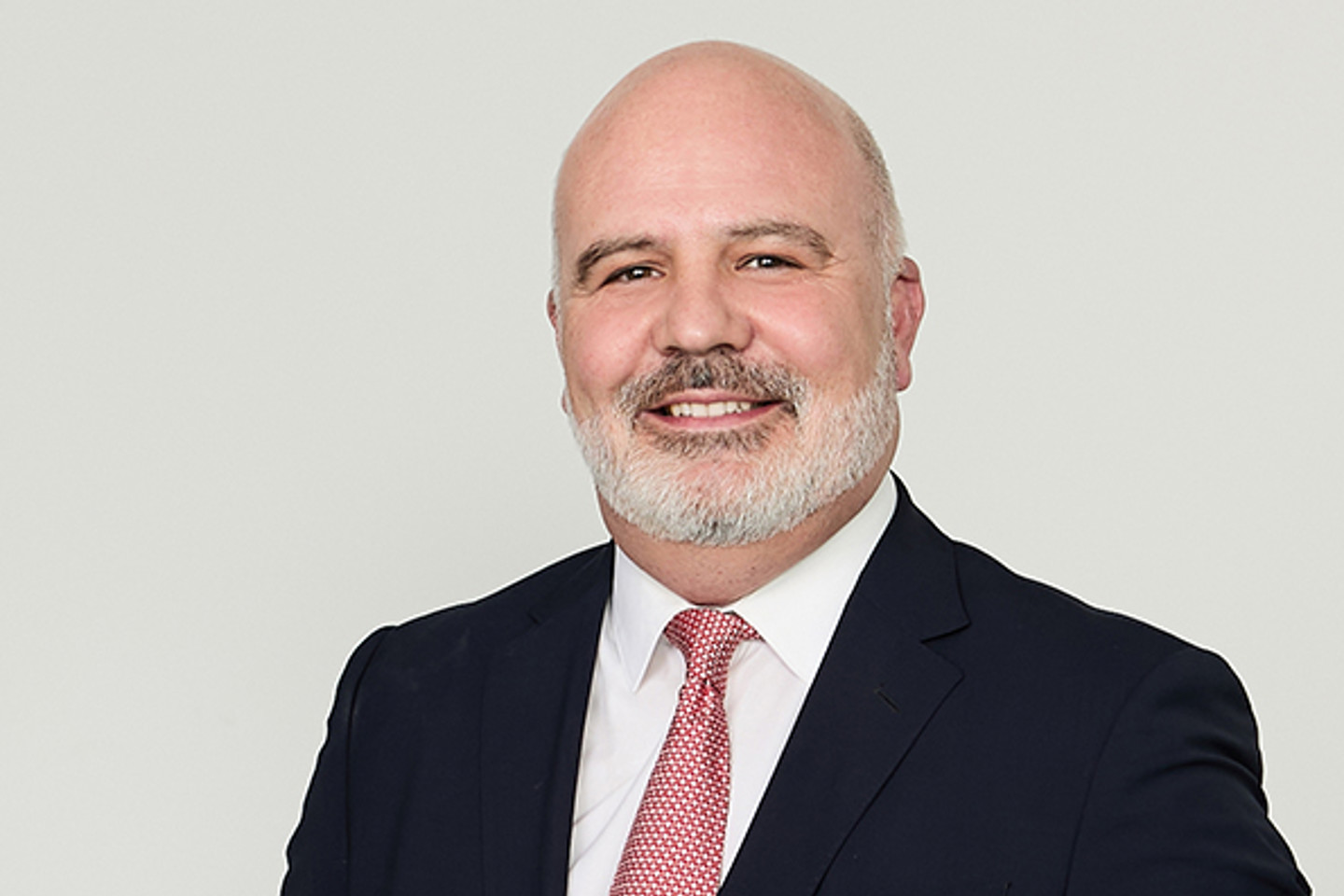
Tax Partner | Legal
Ireland
John Perry
Tax Partner
Ireland

Counsel | Legal
Ireland

Dave Nolan
Counsel
Ireland

Partner | Legal
Ireland

Laura Holtham
Partner
Ireland

Listing Director | Corporate and Fiduciary
Ireland

Margot Carty
Listing Director
Ireland

Associate | Legal
Ireland

Edwina Hilton
Associate
Ireland
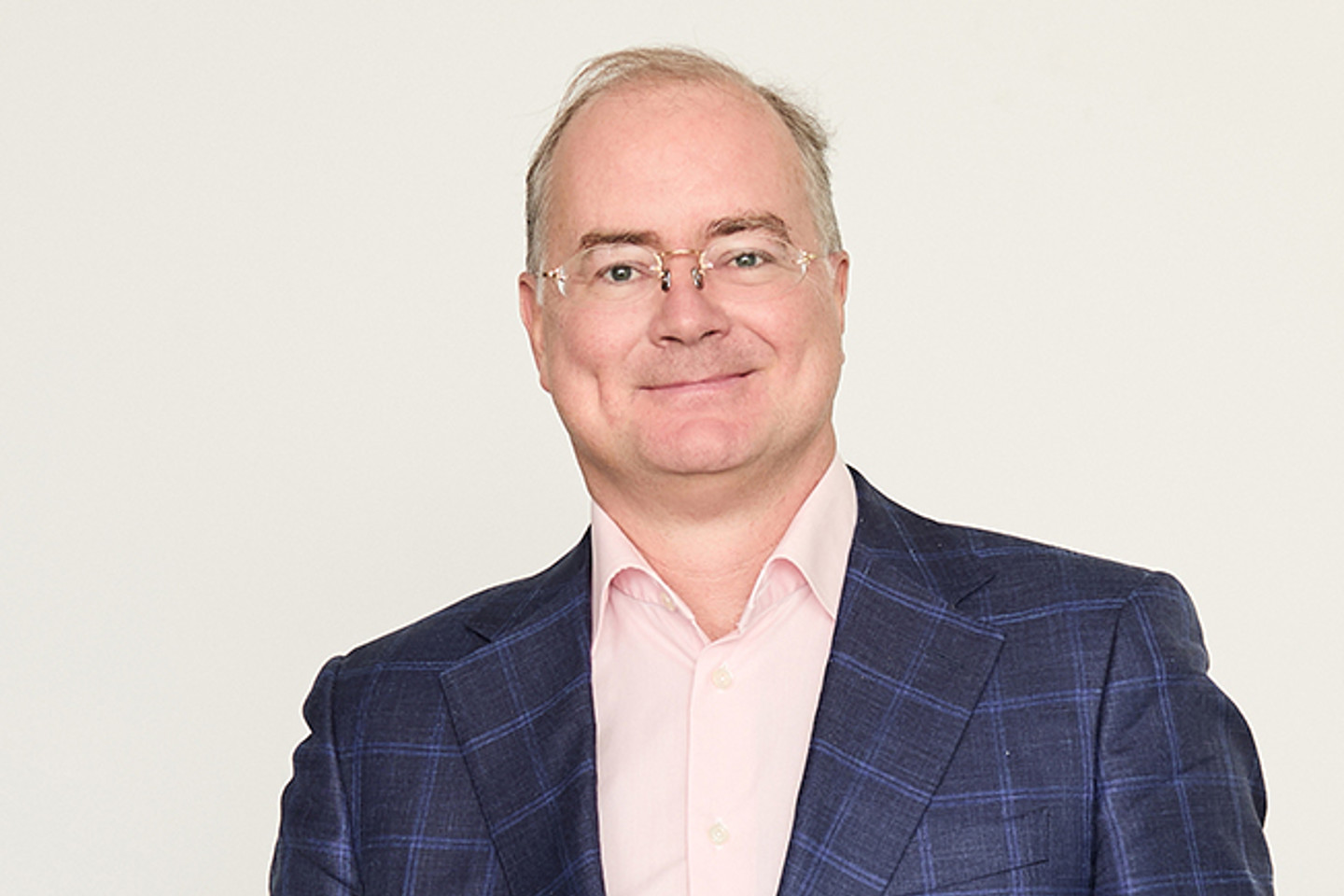
Tax Counsel | Legal
Ireland
Arthur Gaskin
Tax Counsel
Ireland
Ogier is a professional services firm with the knowledge and expertise to handle the most demanding and complex transactions and provide expert, efficient and cost-effective services to all our clients. We regularly win awards for the quality of our client service, our work and our people.
This client briefing has been prepared for clients and professional associates of Ogier. The information and expressions of opinion which it contains are not intended to be a comprehensive study or to provide legal advice and should not be treated as a substitute for specific advice concerning individual situations.
Regulatory information can be found under Legal Notice
Sign up to receive updates and newsletters from us.
Sign up